Reading is my favorite occupation, when I have leisure for it and books to read.
–Anne Brontë
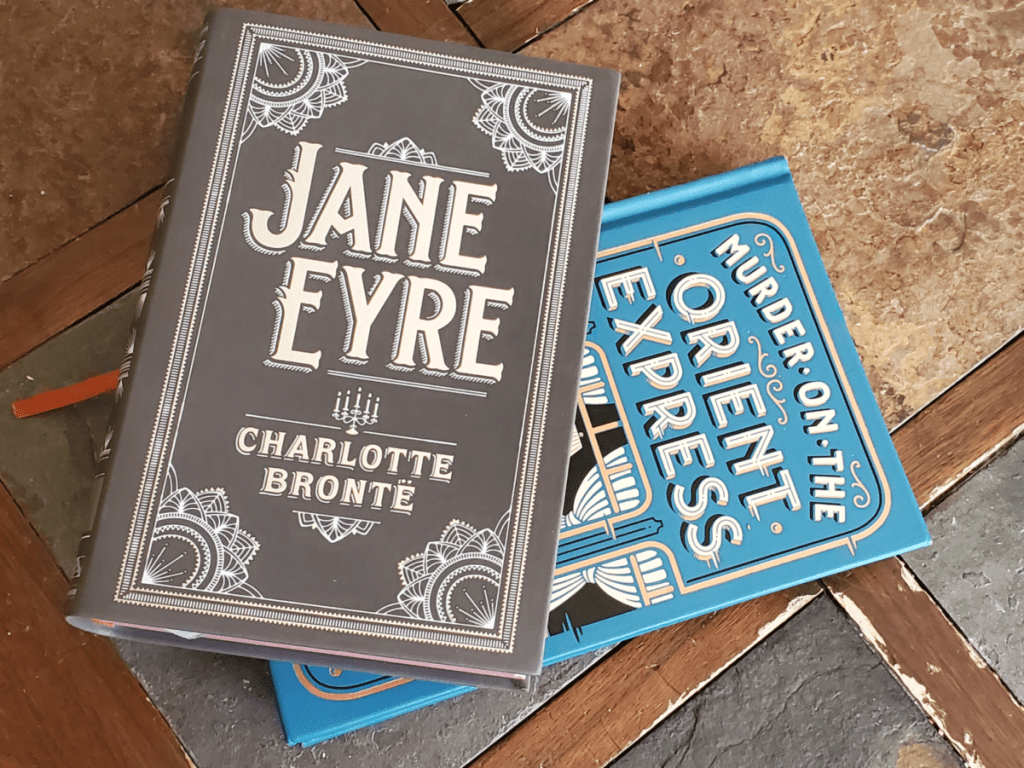
A lot of people think they should read more. I’ve noticed that “read more” is right up there with “get in shape” and “quit drinking so much” as a New Year’s Resolution, and Dark Academics are even more keen on this one than most. As someone who’s always read quite a lot, I’m both the worst and the best person to answer this question. If you’re looking for ways to get excited about reading, I never know what to say because I’ve always just magically wanted to read. If you’re already excited about reading and just don’t know where to start or what the best way is, though, I have plenty of good suggestions.
First off, if you don’t actually love to read there’s no need to force it. Many people attach a sort of moral superiority to reading, like prolific readers are smarter and more disciplined than mere mortals. Friends who see me read obscure classics or “serious history” will get this guilty, intimidated look as they confess they only read “easy books” or don’t read much at all. I really wish they wouldn’t; being well-read is cool and I enjoy the hell out of old and difficult books but it doesn’t make me better than anyone else. It doesn’t even make me more intellectual, necessarily, than someone who deeply analyzes Buddhist art through the ages or plays beautiful classical piano or makes detailed botanical sketches in their spare time. It also doesn’t make me more Dark Academic than thou. There are plenty of ways to adapt the aesthetic and live the life without forcing yourself to read if you don’t really want to.
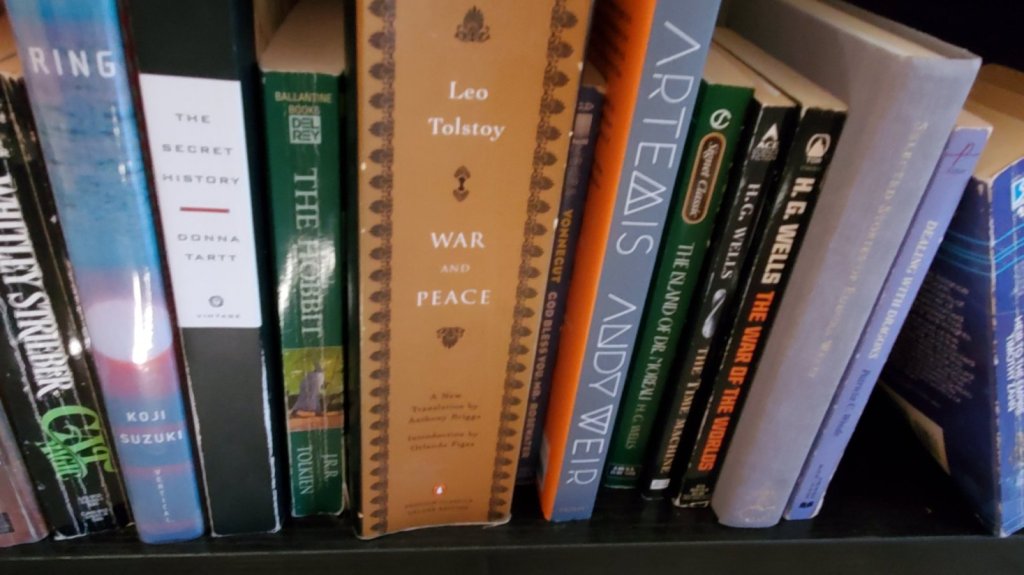
Second, don’t let anyone book shame you. I have multiple middle-aged friends who read nothing but young adult drama and fantasy romance. They read even more than I do but we rarely read the same things. I have been guilty before of telling these people to branch out and try something “better” and I now realize I was just pushing my own preferences on them. In the quest for reading companions, it’s easy to overstep yourself and think your personal favorites are objectively the best books ever but they really are only preferences. Over time, I’ve learned to better appreciate all readers. I love my books and they love theirs, and it’s cool that we have that love in common even if all the books are different. If you want to skip the old classics and just read young adult novels set at spooky boarding schools you should go ahead and do that.
But let’s say you do want to read the classics or become “well-read” in the more traditional sense of knowing a little about many different genres and eras and subjects. There are a couple of main ways to approach this. I’ve dabbled in both over the years and they each have their good points. You can follow your interests as they come up or you can take a more systematic approach.
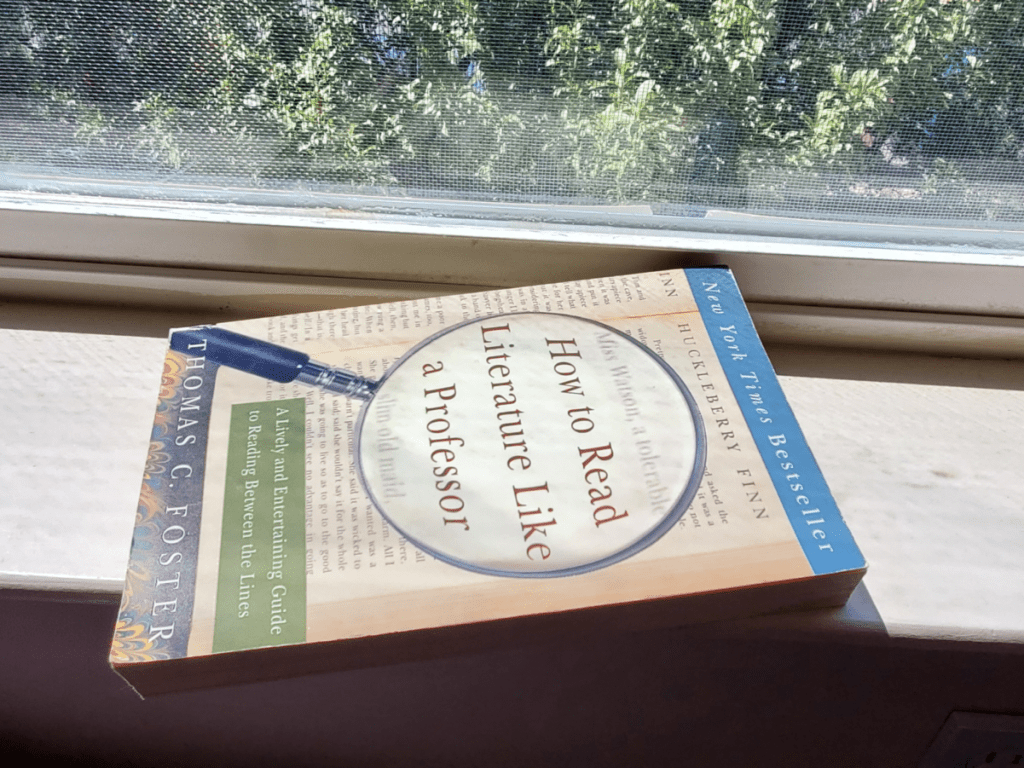
If you want to be systematic about it you might want to read a couple of general overview books first, like How to Read Literature Like a Professor and The Passion of the Western Mind or some similar historical overview so you can spot common themes and techniques found in classic literature. After that you can follow a list. If you want to be really thorough you can follow a Great Books list like this one all the way from the ancient Greeks up to the pretty recent past. You could start at the beginning or just skip to an era closer to the present day. (For the most part, the more modern a book is the easier it is to read.) If you want a simpler approach you can try a reading challenge like one of these or one of those “Some number of books to read before you die” lists. I have 100% not read the entire Great Books list but I’ve tried a bit from each era. Same with those “books to read before you die” lists. The point, for me at least, is not to become an expert in any one thing, but to sample a lot of different books that have really affected people throughout history.
You can also be more specific about your lists. These lists are usually shorter and hopefully centered around something you already like, so they’re great for narrowing things down and keeping yourself motivated and entertained. It’s also great for adding more diversity to your reading. Official Great Books lists are pretty full of straight white men, and while those guys have influenced a lot of people down the generations and it’s nice to understand what they were saying, it can leave you dying for a different perspective on things. So you can also (or instead) pick a specific genre or literary era that interests you and read “best books” lists for that. You can read the greatest sci fi authors or lgbtq authors or Romantic Era poets and philosophers. I did this once with a “best gothic horror” list and loved it. I actually did read every book on that list, and reading those led me to more books in the genre that I’ve enjoyed. You can also look up lists of great authors in a particular country or language, like Russian or Japanese literature or greatest novelists in Spanish. I actually took a “Japanese literature in translation” class once and I’ve been dabbling in that ever since.
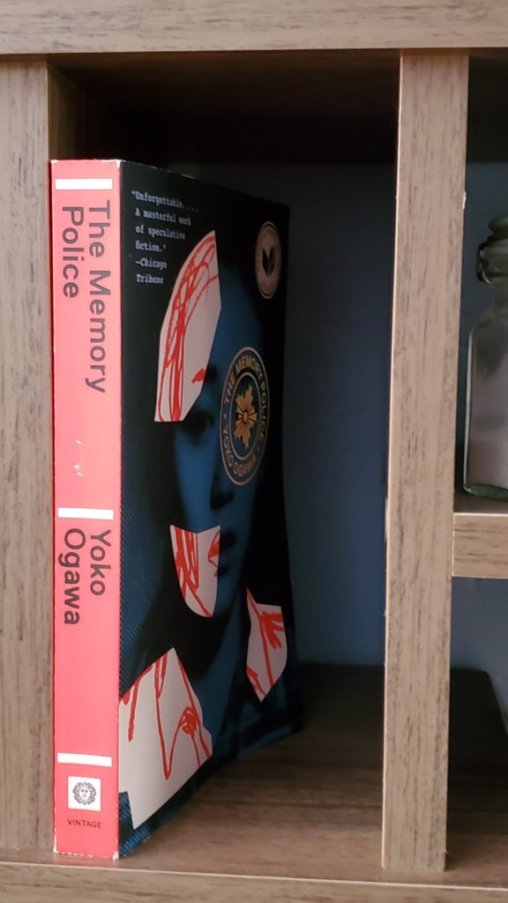
And now that I’ve said “dabbling,” it’s time to talk about the non-systematic approach to reading where you just let the universe bring you books. Try things you see mentioned on forums or displayed at a bookstore. You can think back to high school (easy if you’re still there), pick the author you liked the most and read something by that person. You can google that author and find out if they’re part of a literary movement, then try another author from that movement. You can type that author into Literature Map and see other authors you might like. You can join StoryGraph, answer their questions, and try one of the books it recommends you. (I did this and got a couple of interesting results.) If you try a book and hate it, put it down and try another one. Go back to Literature Map and pick the author farthest away from the one you hated–maybe you’ll like that author. This approach is just about curiosity and the joy of a good book, so don’t feel you have to love every second or understand the book’s historical importance or deeply meditate its themes. When you find something you really love, then you can get a bit systematic and learn about the author and era and themes and such.
To Dark Academics, I would recommend taking notes or keeping a journal of your reading. Keep notes of your thoughts and impressions, questions you might have, even basic plot summaries or character notes. It will not only make things feel more studious and Academic, it will also help you understand what you’re reading, it will help you keep track of what you like and over time you’ll start making connections between the different books you read. It’s a wonderful moment when the books stop being just stacks of paper and become a great conversation between authors and readers, and keeping notes can help you reach that moment a little sooner. If you make a little time every day for something like this, you’ll read one book and another and another and before long you won’t need to say “I should read more.” Everyone else might start saying it to you, though.
If you already read widely and deeply, tell me what I’ve missed? What’s your favorite approach?


 Oddly Cultured
Leave a reply to Stuart Danker Cancel reply