A year and a half ago things were different. Long ago, in an easier time, I had the mad idea that I’d have time to really delve into literature the way I did as a young woman. I started a second blog specifically to record my literary explorations. Things did not turn out the way I’d hoped; I barely have time and energy to keep up this blog, and it looks like things will stay this way for at least another couple years. If I keep dreaming of writing two blogs they’ll both die–I just can’t finish enough things to write two blogs about–so I’m bringing my literary musings back here. Better one blog with no focus than two blogs that are barely updated.
It’s been so long that I don’t remember whether I mentioned it here, but I’ve been exploring the Nobel Prize for Literature. A friend of mine eagerly keeps track of it, every time hoping Haruki Murakami will finally become a Nobel Laureate. (I can’t say I’d be sad about that–I really enjoy Murakami and think he’s underrated in high class literary circles.) My friends posts got me curious about the types of writers who win the Nobel, so I looked up the list of laureates. Many I knew from literature classes–Kipling, Yeats, Faulkner, Hemingway–but many I’d never even heard of. I made a “to read” list, picking one or two authors from each decade I hadn’t read yet. Then my life fell apart and in the last year and a half I’ve only read four of the authors on my list.
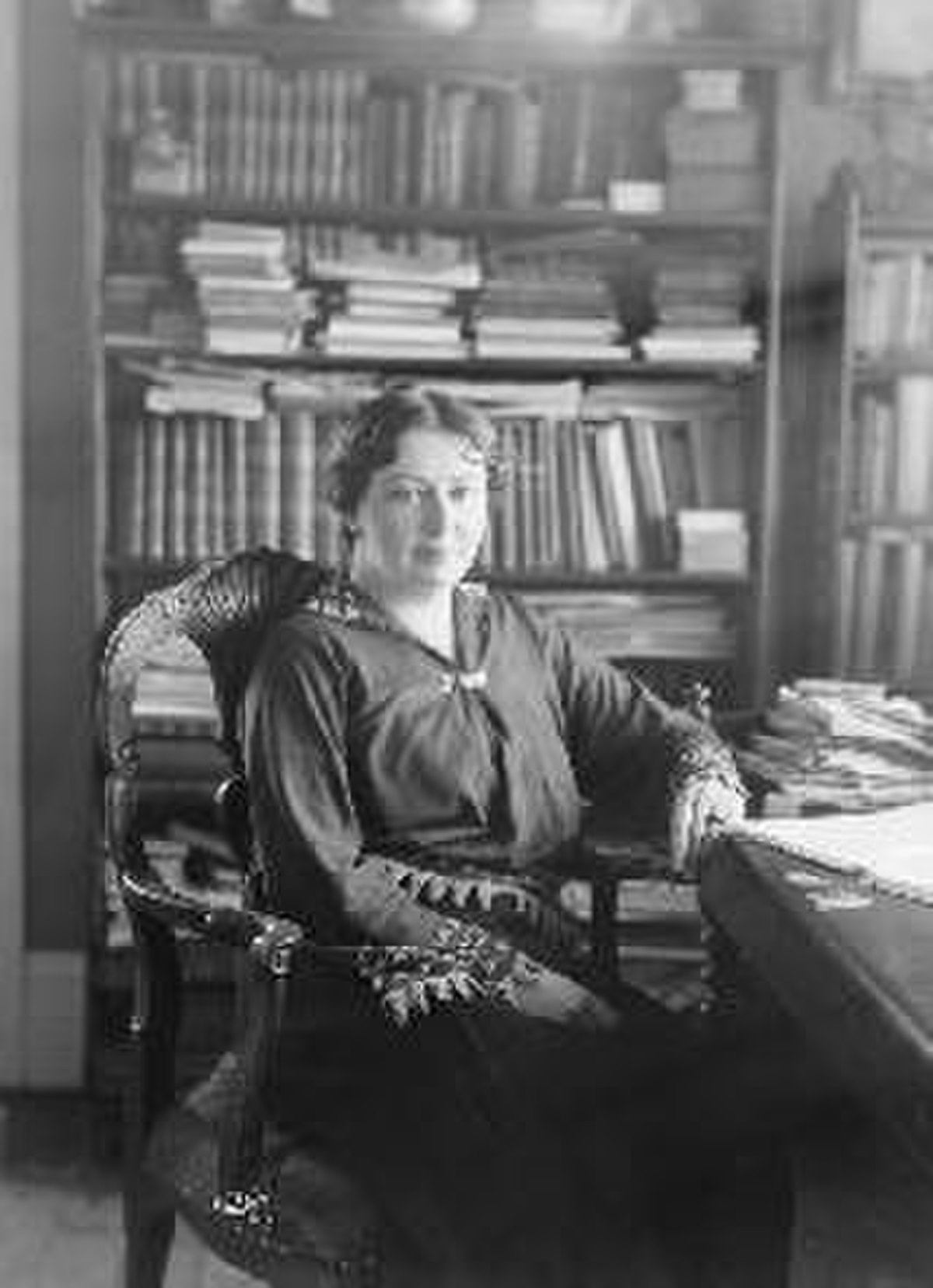
Oh, well. Four is better than zero. In this case, way better. Let me tell you about the 1928 winner, Sigrid Undset, and her historical epic, Kristin Lavransdatter. I read the translation by Tiina Nunnally. The translation is smooth and easy for a modern reader, and Nunnally includes some helpful notes about how historical events and terms that aren’t familiar to a non-Nordic reader.

Originally a trilogy, this book is quite long, following the main character, Kristin, throughout her life in fourteenth century Norway. She’s a bit selfish, a bit stubborn, but also smart and self-assured. I won’t bore you with a complete summary of such a long book, but Kristin’s central problem is that she’s betrothed to a guy, Simon, who’s really decent but not exciting, but during her long engagement she falls in love with another guy, Erlend, who’s incredibly exciting but not that decent. She goes to great lengths to marry Erlend and for the rest of her life has to wrestle with that choice. All three main characters–Kristin, Simon, and Erlend–and many secondary characters like Kristin’s parents and Erlend’s friends are really complex and well-rounded. It would be easy to make heroes and villains out of them, or to just focus on the drama and romance of it all, but Undset keeps things very real and human. Kristin, for example, is sometimes generous and devoted to her family, sometimes a reliable and trusted healer and mistress of her estate, and sometimes a whiny selfish brat. In all those moments, she feels real and fascinating.
The picture Undset paints of medieval Norway also feels real and fascinating. While some historical novels overwhelm you with details, like the author is desperate to show you how much historical trivia she’s mastered, Undset treats the history and setting with the same matter of fact realism as she does her characters. Their political structure, religious views, family life, and folk beliefs are presented as an important but natural context for Kristin, Simon, and Erlend’s actions and their consequences. It was really well done.
I clearly enjoyed this story, but there were some long chapters of Kristin obsessing over her sins. It feels true to the medeival setting and to Undset’s own deep concern with religion (a few years after publishing this she converted from atheism to Catholicism), but it also really slows down certain parts of the book and feels a bit repetitive and self-indulgent. Oddly, I think annoyed me not because she was so regretful for her sins, but because I come from a puritan-style background where we drown our guilt by “doing good works.” Where I was heavily brainwashed to always be serving others, and doubly so if I felt I’d sinned, Kristin spends page after page obsessing over her deeply sinful nature, waiting for some deep experience of love to wash away her guilt and never really getting it. It’s an interesting difference, but hard for me to relate to.
Still, there was enough personal and political drama in this epic to enjoy, and the book ends on a bit of historical cliffhanger, with the black plague just reaching Norway. It was a grim ending that took me by surprise, even though it probably shouldn’t have.
If you like historical fiction, I’d recommend this one. It’s about a hundred years old by now, so now it’s both historical fiction and a piece of history. After reading this fourth laureate, I’m more confused than ever about what makes an author Nobel worthy, but I’m enjoying this chance to read literary greats beyond the British and American canon. That said, the next winner on my list is actually American. I chose Eugene O’Neill because he’s a playwright and I haven’t read (or seen) many plays. This time I’m expanding my horizons by reading from a different genre instead of a different country. It took me five months to finish Kristin Lavransdatter and get around to writing about it. Let’s hope this next choice takes a little less time.
 Oddly Cultured
Leave a comment