This is kind of a dual review. A while ago I read a biography called Shirley Jackson: a Rather Haunted Life, and followed up by reading The Sundial, a sort of dark comedy about a family preparing for the end of the world. I enjoyed the novel and found the biography both interesting and painful.
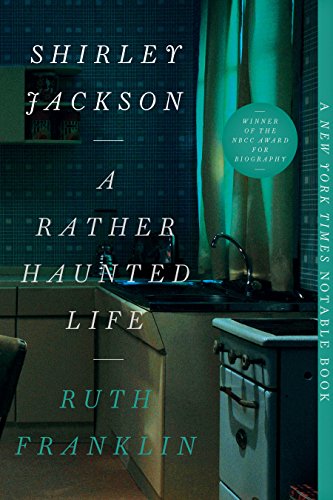
I already knew a bit about Shirley Jackson. Like a lot of people, at some point I had to read The Lottery for school. It didn’t make me obsessed with Jackson but it was dark and thoughtful enough that my ears pricked up whenever I heard her mentioned after that. I knew she wrote a lot of dark haunted stuff and I’ve read a lot of it by now, and I knew she also wrote lighter more family-oriented stuff that I never read. After reading her biography I’m not sure I ever want to read her lighter stuff. Knowing her reality might ruin it for me.
Jackson’s home life often sounds like one of quiet desperation. Her mother sounds perpetually disappointed in Shirley and her husband sounds perpetually wrapped up in his own emotions, and neither seems to really appreciate Shirley or even see her clearly as a person. Shirley seems to love and appreciate her children deeply, but struggle constantly to fit in with other parents and meet society’s expectations of her as a wife and mother. Instead of confronting any of these people or problems, she transmutes them all into her art, producing story after beautiful story while in real life she mostly suffers in silence. It’s heartbreaking and frustrating to learn about.
Jackson was so talented and dedicated to her craft, but also so completely relatably normal with normal relatable problems. Sometimes, when an author writes great tragedy or horror, we play up the twisted and tragic parts of their personal life and say “ah, that explains it.” I think this approach downplays an author’s talent and hard work, making it seem like great horror is just a matter of having a horrific personal life. Ironically, this approach also ignores the much lighter work authors like Jackson and Edgar Allan Poe produced because light work doesn’t fit with a tragic backstory. This biography resists the temptation, trying to give equal weight to Jackson’s lighter and darker stories and being honest about Jackson’s personal struggles while emphasizing how normal most of them were for her time and circumscances. I really enjoyed this look in to the artist’s life, and even though I much prefer her darker fiction I appreciated the chance to see her as a whole person.
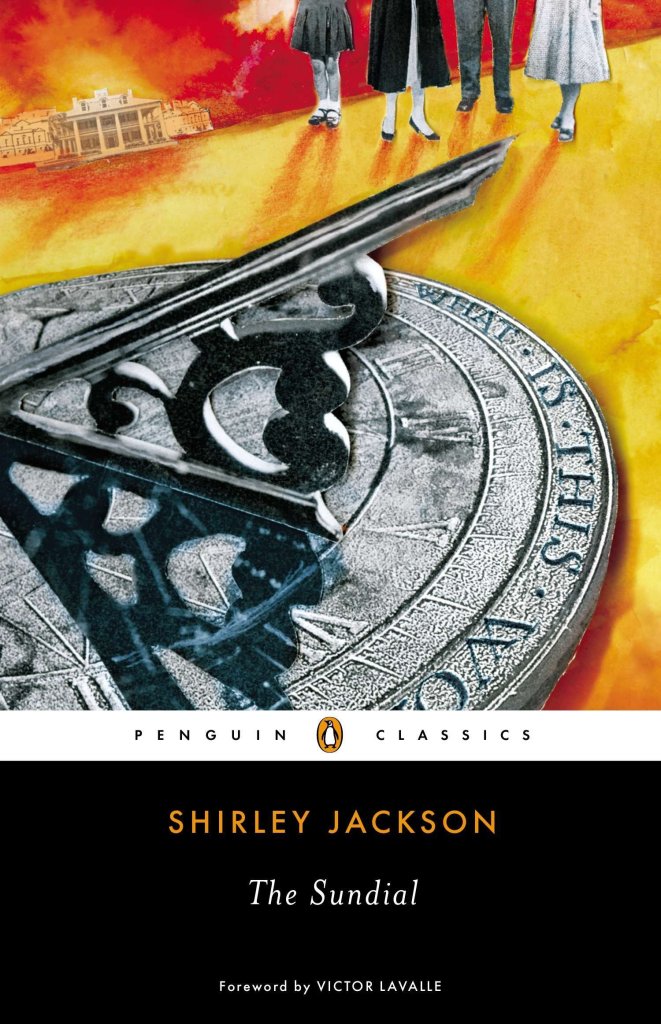
After I finished the biography, I read The Sundial. Like all her novels, this one is on the dark side. It’s kind of a portrait of the very rich, very dysfunctional Halloran family that becomes a tiny little doomsday cult centered around their Aunt Fanny’s visions. It felt like reading a Wes Anderson movie, though of course Jackson came first so it might be better to say that watching a Wes Anderson movie feels like seeing The Sundial come to life. All the humor and most of the darkness come from perfectly detailed renderings of the various family members, their relationships to each other, and the house they live in. The commentary, the humor and tragedy, is filled in by us as readers.
Of the four Jackson novels I’ve read, this is the coldest and least sympathetic to its characters. There are a few vulnerable peeks into the characters minds and motivations, but mostly the novel keeps its distance. I still liked it but I missed the intimate psychology that makes the others I’ve read so enthralling. There were haunting moments and funny moments but watching everything from outside like this, I didn’t really emotionally connect to the book the way I did with the other I’ve read. Ironically, this emotional disconnect is the exact same problem I have with Wes Anderson movies. Odd coincidence, that.
Overall, both the biography and the novel are best suited to people really interested in Shirley Jackson. The biography was excellent and The Sundial is worth reading for Jackson fans, but Hill House or We Have Always Lived in the Castle are the best introduction for curious or casual readers looking to see what all the fuss is about.
 Oddly Cultured
Leave a comment