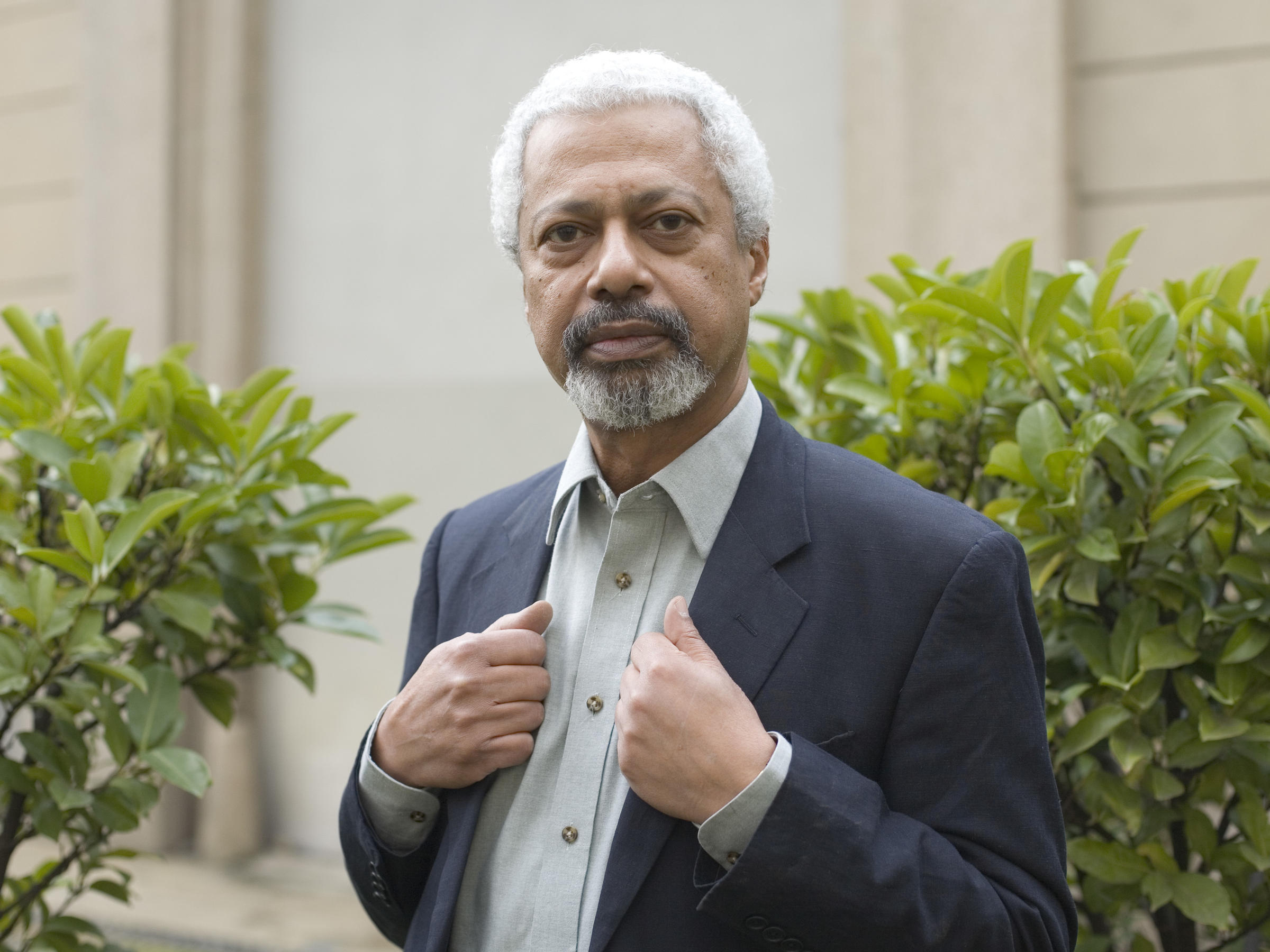
They just awarded the Nobel Prize in Literature to Abdulrazak Gurnah. One of my friends from high school is a professor now and posts about the Prize every year as it approaches. He’s always rooting for Haruki Murakami, whose work I really enjoy. Murakami never wins, and most of the time I’ve never even heard of the winner. There’s a poll on the Nobel website asking one question–have you read anything by Abdulrazak Gurnah–and 95% of people so far have answered ‘no’ so I know I’m not alone here.
This year as the announcement approached and my friend started posting, I got really curious. The Nobel committee gives only a few brief sentences about the reasons for their choices, and since most of the authors are so obscure most of us can’t judge for ourselves whether the choice was good. And yet the Prize is quite prestigious, treated as a great honor for an author doing important work. Important work that, even with a Nobel Prize on their shelves, few people ever read, apparently.
The choosing process is pretty elite and subjective. Nobel’s own instructions were frustratingly vague, instructing the committe to chose the person who “in the field of literature, produced the most outstanding work in an idealistic direction.” Somewhere I read that since World War II ‘idealistic’ came to be interpreted as ‘depressing and political‘ but since I haven’t read most of the Nobel winners I don’t know if this is a snarky exaggeration or not. The nominations are made by literature professors and national academies and former winners, a process that mostly results in a pretty academic-focused, elitist list of candidates. I wonder who slipped Bob Dylan in there? I remember a lot of people being annoyed by his win and saying it was a shameless ploy to make the Nobel Prize feel interesting to the masses; maybe it was, but maybe that’s a good thing. Why should the Nobel Prize only be for obscure elitist writers? Sure, Bob Dylan is rich and famous so he doesn’t need the money, but Gurnah is a retired professor with many awards under his belt, so I’m not sure he needs the money either.
I asked the internet whether the Nobel Laureates were worth reading, even though many are unheard of outside certain elite circles, and several people agreed that the laureates they’d read were indeed amazing writers. I’ve read maybe a dozen laureates’ work–mostly in college–and what I read was generally very well-crafted and beautiful. Maybe the rest deserve more attention. Maybe the Nobel Prize is elitist nonsense, but maybe it’s also a treasure trove of amazing writers I’ve never heard of.
Clearly this should be my next reading project. There are over a hundred winners since the prize was first given in 1901 and I’m not quite ready to read them all, but I can manage an author or two from every decade. Since the prize is international (though vastly European in the early years) and I only read English and some Spanish, I’ll have to read a lot of this in translation. For that reason I’m focusing more on novelists than poets, since poetry loses so much more in translation. I also skipped over the names I’ve already read, like Toni Morrison, Gabriel Garcia Marquez, George Bernard Shaw, etc. Other than that, I just went through the list of winners and chose people who caught my fancy.
Here are the 16 authors I’ve settled on:
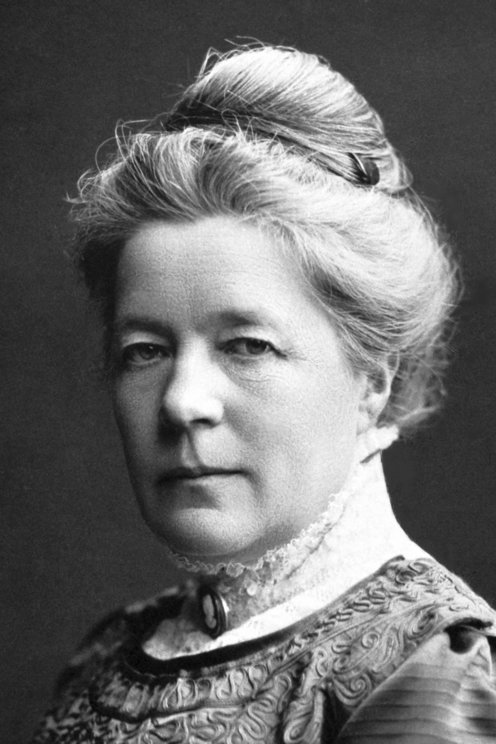
- Selma Lagerlöf, 1909, the first female winner
- Rabindranath Tagore, 1913, who seems to be the first non-Western winner
- Grazia Deledda, 1926
- Sigrid Undset, 1928
- Eugene O’neill, 1936
- Gabriella Mistral, 1945 (a poet in Spanish, so I thought I’d try it in the original language)
- Haldor Laxness, 1955
- Yasunori Kawabata, 1968
- Alexandr Solzhenitsyn, 1970
- Patrick White, 1973
- Wole Soyinka, 1986
- Jose Saramago, 1998
- Elfriede Jelinek, 2004
- Olga Tokarczuk, 2018
- Abdulrazak Gurnah, 2021
Winning a Nobel seems like a guarantee that at least some of your work gets an English translation but I may have to tweak the list depending on what I find out there. I’ve already started Selma Lagerlöf. Turns out you can get The Greatest Works of Selma Lagerlöf on Kindle for one dollar. I finished Jerusalem and it was not what I expected; now I’m roughtly halfway through The Miracles of Antichrist. I’ll post what I think once I’ve actually thought enough about it but already this project is giving me interesting surprises.

 Oddly Cultured
Leave a comment