Some people just don’t like literature. I play board games with a bunch of scientists and a few of them just don’t do fiction at all. They don’t watch TV or movies, don’t read novels, nothing. This is so foreign to me I can barely imagine what their lives are like. But these scientists are the extreme. Much more often, I run into people who say they love fiction and even literature, but they really don’t love the whole art form, just certain small parts of it. I understand this but I’m always a bit disappointed by it. This must be what DJs feel like when they’re dying to expand people’s musical horizons and give obscure bands a wider audience, but people on the dance floor request the same five songs every single night. There’s nothing wrong with those five songs, but it’s sad and frustrating when it seems like no one else loves the art form like you do.
Reading is, at heart, a hobby like any other. It’s natural that some people are very serious about it, some people pick up a book once in a while, and some people just do math for fun instead. Even though I’d rather read ten books about math (I have probably read ten books about math) than actually do math, it doesn’t bother me some people are the opposite. I’m not even bothered by people who only like certain stories. I have friends who can only read a book if they really like the main character, friends who just really don’t understand metaphors, and friends who can’t handle it when authors mix genres. These are all valid ways to read and it’s fine if they’d rather stick with what they know and like. I’ve learned not to judge. There are two types of dabblers I do secretly judge, though. It’s not their specific tastes or interests that irritate me, it’s more about their approach and their lack of self awareness.
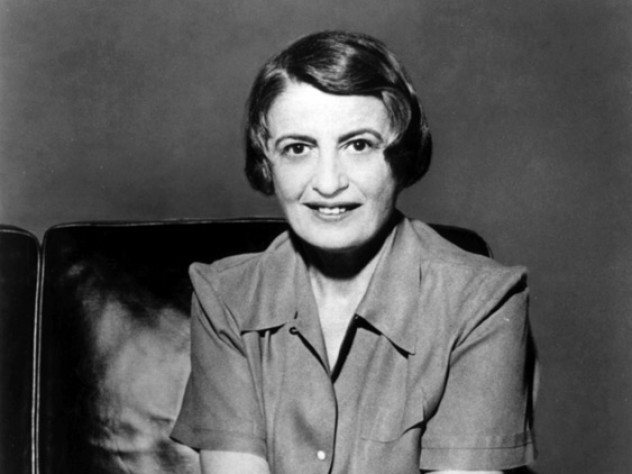
The first type has really exploded on the internet in the last few years but they’ve been around for quite awhile. This type thinks they love literature but they reduce everything they read to a checklist. I don’t want to call out any specific person or group so I’ll make up an example. Let’s say a checklist reader reviews Ayn Rand’s Atlas Shrugged. (If you’re not familiar, Atlas Shrugged was written entirely to promote the theory of “objectivism” and is very popular among the type of people who say “sheeple” a lot and think everyone but themselves is incompetent.) Depending on the reader’s own personal checklist, the entire review might be “this book is amazing because it promotes libertarianism and self-interest so well and pwns the people I hate” or “this book is evil and problematic because it lacks diversity and promotes giant corporations and glorifies people I hate.” And that’s it. That’s as far as checklisters ever go. Sometimes they cite examples of how the book fits or doesn’t fit their checklist, or they spend time talking about why their checklist is so important, but they don’t care about anything else. With them, there’s never any discussion of writing style (terrible in Rand’s case), larger context (Rand’s soviet childhood certainly affected her love of capitalism and the Cold War certainly affected her books’ reception), or even what the author was trying to say beyond the checklister’s very specific checklist (Rand was trying to say a whole lot in those books).
They bother me so much because they never seem to realize their approach is shallow and incomplete, and they spend a lot of time shoving their checklists into every other reader’s face as if this is the only way to judge a book. There’s no room for different opinions once the checklist is finished, and there’s never room for a book to be complicated, or amazing in some ways and disappointing in others. I almost never see checklisters say “this book is amazing at the first half of my checklist but not great at the second half, so you may want to consider it.” It’s pretty much all or nothing with them.
Checklisting shuts down and derails real conversations and really denies the complexity that makes books so compelling to most of us. By condemning the huge amount of books that don’t satisfy their checklists, they also discourage other people from forming their own opinions and reading a bunch of excellent complex works that they might find really meaningful if given a chance.
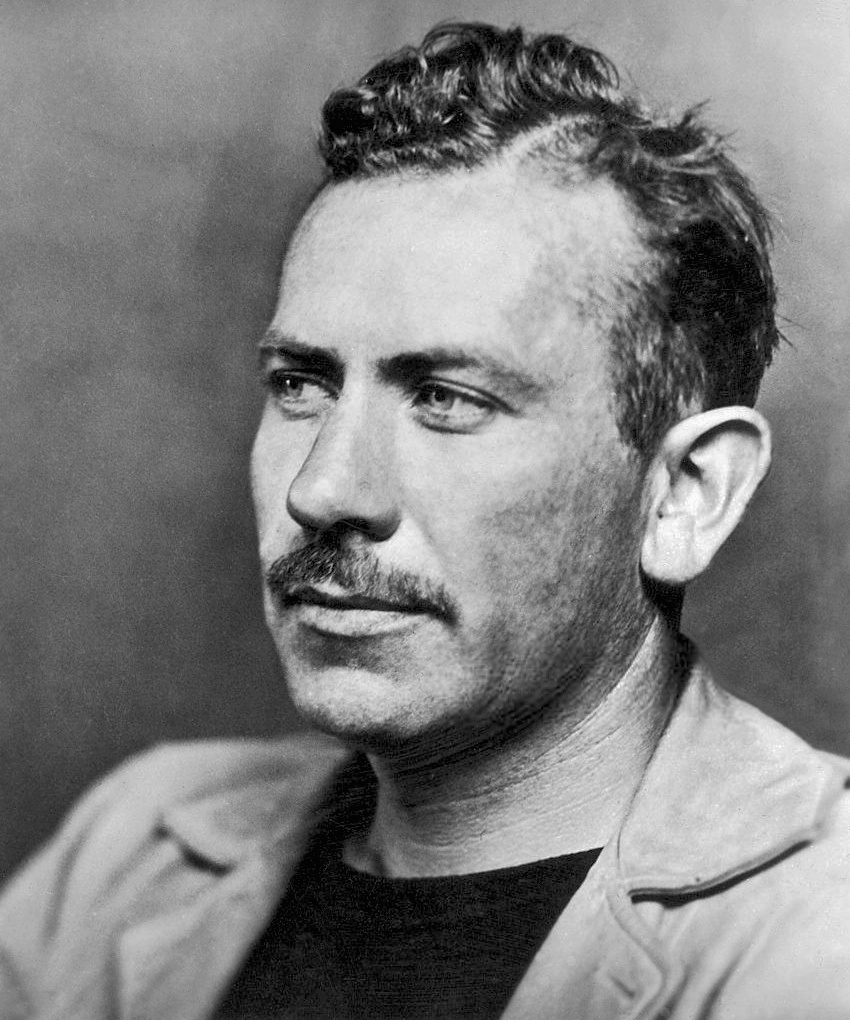
The second type that bothers me is equally discouraging, but much more vague. Checklisters are at least clear about what they’re looking for in a book, even if they’re way too narrow and simplistic about it. Haters usually can’t tell you even that much. They just like what they like and hate what they hate, but they mistake their opinions for facts in the most unimaginative way possible. They’ll throw out things like “I understood John Steinbeck’s themes but his writing isn’t valuable to study” or “Wuthering Heights was just toxic and dumb” and just leave it at that. It’s like they genuinely don’t know or care to know anything more. Never mind that Steinbeck, even if you do hate his work, was way better at writing than you or that his work was important for a lot of underserved and misunderstood people of that era. All that matters is that you “understood” it and didn’t care for it. Don’t worry about the generations of people who thought Wuthering Heights was powerful and challenging, or even just escaped into its beautiful prose for a few hours. All that matters is that you didn’t get it. Ugh. How can you not know what a dumbass you are? Just admit that you don’t like books that much and go watch The Bachelor instead.
I’m not against strong opinions. You can hate John Steinbeck if you like. When I review a book I’m honest about what I like and dislike, and I think everyone else should be free to do the same. If you hate a book or author you should absolutely say so. {I actually hate Ayn Rand’s novels quite a lot, and maybe someday I’ll tell you all about it.) But it’s much more valuable to explain what it is you hate about the book and why than to just fart out your opinion and run away. It’s not hating something that’s the problem, it’s shutting down the discussion without providing anything useful.
If you can explain why you hate something, that gives other people valuable information. Maybe you struggle with John Steinbeck’s Depression Era references or you just don’t relate to farm workers. Maybe the past was just too racist or ablist for you to handle. If you say that, other people can decide whether they also hate reading about farm workers or Depression Era racists, or they can find out they love reading about farm workers of the past. If you prefer more flowery descriptions or novels with more romance, that’s information people can discuss with you. It seems narcissistic and dumb to think people just want to know you hate Steinbeck even if you have nothing else to say.
Some people who do this just really can’t explain why they love or hate a thing. There’s nothing wrong with that, but if you can’t explain this I’m not sure you understood hte book as well as you thought. There’s more to deep reading than looking at words and getting a gut feeling. You might be better off just reading other peoples’ discussions and see if that helps you figure it out.
Wow, this rant has been brewing for quite a while and I feel better now that I’ve gotten it out. Now that I’ve cleared my head, I can get back to book reviews for a while. If these types of people don’t bother you, I’d love to hear why. I’d also love to hear your opinion on John Steinbeck if you have one. I’m actually pretty neutral about him myself. I’m not sure I’m ready to hear the crazy opinions Ayn Rand usually brings out of people, though. I don’t know what possessed me to use her as an example.
 Oddly Cultured
Leave a comment