Once upon a time I was part of a feminist parenting group, but our personalities didn’t mesh well and I quickly moved on. It was such a small part of my life I’ve all but forgotten it, except for one conversation I was barely even part of. Funny how the smallest things will do that.
The conversation was about beauty pageants. I think this was when Toddlers and Tiaras was popular, or something like that, so children’s pageants were an especially hot topic for feminists. Most of the people talking thought they were awful, but one person (I wish I could remember who) didn’t mind them.
Beauty pageants reinforce sexism and unrealistic beauty standards, she understood that. But so do movies and magazines; she thought beauty pageants had an empowering side that movies and magazines don’t so much. This person thought beauty pageants taught the contestants and watchers that beauty was something you could create and wear, a costume made of makeup and hairspray and clothing and talent and a graceful walk. She thought this was a good thing–it meant that beauty wasn’t something only perfect supermodels could have. You didn’t have to be born beautiful, you could create it for yourself.
The moment she said that I knew I agreed. That’s an empowering message indeed. I knew because that’s a message I got from goth.
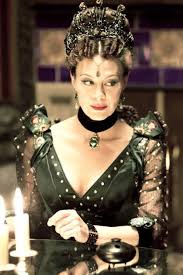
You won’t see a goth spending two hours perfecting a natural, “I just rolled out of bed” look. When we spend hours on a look, we want people to see the effort. We want to show off our skill and creativity. Dark beauty isn’t something we just have or don’t have, it’s something we create. That means no matter your size, age, color, gender, any goth can have it.
I think corsets are a great example of this, both in their original time period and in today’s goth culture. Corsets are often case as a symbol of patriarchal oppression, and there’s truth to that. Being required to wear corsets was sexist and awful. But was it really more sexist than today’s requirement that women change our waistlines with diets and liposuction? I think not. Given the choice between a lifetime of corsets and a lifetime of obsessive dieting, I’d pick the corset. I do pick the corset. I’ve never been thin as a rail and I probably never will be, but with a corset’s help I can easily create an hourglass figure. According to goth fashion standards I can not only create that hourglass shape, I can proudly show off the corset that’s doing the work for me. And when I want to just let my big waist be what it is, patriarchy be damned, I can do that too.
I could say the same for makeup. Both goth and mainstream culture encourage women to wear makeup. But where mainstream culture expects me to get rid of wrinkles and age spots so I can wear light, natural looking makeup and still look 25, goth culture lets me cake on the white foundation and eyeliner whether I’m 25 or 55. (Goth culture also, of course, encourages all genders to wear makeup. Because it’s fun.)
I wouldn’t say goth is out to smash the patriarchy in the common feminist sense, and it sometimes supports patriarchal beauty standards and feminine stereotypes just as much as mainstream culture. But it also creates space to ignore those standards and stereotypes, defy them, play with them, and explore gender expression in all sorts of ways.
For me, this is one of the more freeing aspects of goth, and I worry that image-heavy social media is changing it for the worse. I don’t think the answer is getting goth off the internet or shutting down conventionally beautiful goths or anything like that. Just the opposite, in fact. The more variety we see, the less push there will be toward any one look or standard. I think the answer lies in supporting the wide variety of goth looks and encouraging more people of all types to create dark beauty and share it.
 Oddly Cultured
Leave a comment